Your home’s exterior plays a major role in how comfortable, usable, and enjoyable the property feels every day. While interior upgrades often receive the most attention, improvements outside the home can influence privacy, safety, energy efficiency, shade, maintenance needs, and the way you use outdoor areas. A well-planned exterior can also create a smoother transition between indoor and outdoor living, making the entire property feel more complete.
Improving the exterior does not always mean taking on one large renovation. In many cases, the best results come from combining several smaller projects that address different parts of the property. Updating entry points, improving landscaping, repairing hardscaping, and adding practical outdoor features can all contribute to a more comfortable environment. The key is to focus on changes that support how you actually live, whether that means creating more shade, making the yard easier to maintain, improving security, or giving family and guests better places to gather.
Start With the Main Entry Points
Entryways are among the first exterior features people interact with, so they have a direct effect on comfort and convenience. Worn, drafty, or difficult-to-operate exterior doors can make a home feel less secure and can allow outside temperatures to affect indoor spaces. Replacing older doors with models that close properly, provide solid insulation, and complement the architecture can improve both daily use and the appearance of the home.
It is also worth looking beyond the front door. Patio doors, side entrances, garage access doors, and doors leading to porches or decks all contribute to how easily people move between indoor and outdoor spaces. A well-placed door can make an outdoor seating area more practical because food, drinks, and supplies can move in and out without unnecessary trips through the house.
Small details around entry points can make a noticeable difference as well. Adequate lighting, weather-resistant mats, covered landings, and easy-to-grip hardware can make entrances more comfortable in rain, snow, or darkness. If an entry feels cramped, adding a small landing or widening the walking path can improve accessibility. These changes help transform the entrance from a simple passageway into a functional part of the home’s overall comfort.
Improve the Home’s Exterior Envelope
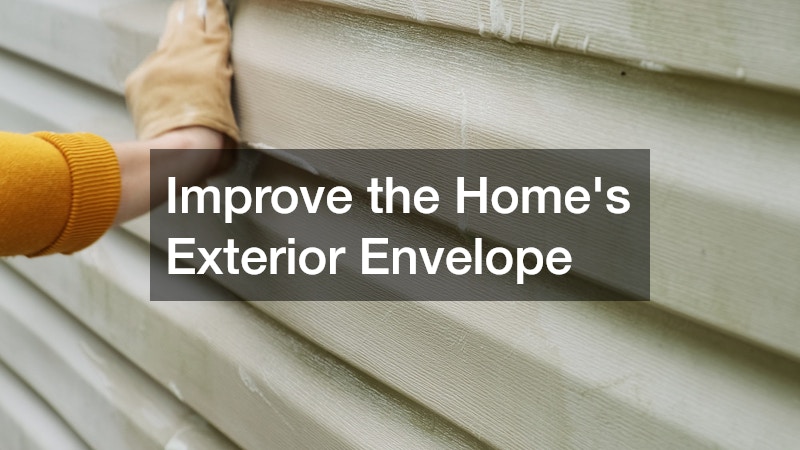
The condition of the walls, trim, and siding affects more than curb appeal. These surfaces help shield the home from wind, moisture, and changing temperatures, so damaged or deteriorating materials can eventually influence indoor comfort. Homeowners who notice cracked panels, loose sections, fading, or repeated moisture problems may want to explore local siding services to determine whether repair or replacement makes sense.
Exterior upgrades can also be an opportunity to improve insulation and reduce drafts. When siding is removed, contractors may be able to identify areas where air sealing or weather-resistant barriers need attention. Addressing these issues can help the home maintain more consistent temperatures, particularly in rooms that face strong sun or winter winds.
Comfort also depends on reducing the amount of exterior maintenance required over time. Materials that fit the local climate and the home’s exposure can simplify upkeep and help protect the structure. Gutters, soffits, fascia, and exterior trim should be evaluated at the same time because problems in one area can allow water to reach another. Looking at the entire exterior envelope as a connected system makes it easier to prioritize work and avoid fixing the same problem repeatedly.
Make Trees an Asset Instead of a Problem
Healthy trees can make a property significantly more comfortable by creating shade, reducing glare, defining outdoor areas, and providing visual privacy. However, neglected trees can become a source of stress when branches hang over roofs, block walkways, or interfere with power lines and nearby structures. Regular tree pruning helps keep growth controlled while supporting a cleaner, more intentional landscape.
Tree care should also include attention to branches that are dead, damaged, or weakened. Deadwood removal can reduce the chance that brittle limbs will fall during high winds or storms. Removing these sections can also make a tree look healthier and allow more sunlight to reach lawns, gardens, or patios below.
Some properties need more routine maintenance than occasional pruning. Professional tree trimming services can be useful when trees are large, difficult to access, or growing near structures. In other situations, a declining or poorly placed tree may no longer contribute positively to the property. A local tree removal service can assess whether removal is appropriate and help clear the area safely. Once problem trees are addressed, homeowners can rethink how the newly opened space could be used for seating, gardens, play areas, or other outdoor features.

Create Boundaries That Support Privacy and Use
A comfortable yard often needs clear boundaries. Fencing can create privacy, help define different areas of the property, reduce unwanted foot traffic, and provide a more contained space for children or pets. Working with a local fence contractor can help homeowners choose a layout and material that suit both the property and the way the yard is used.
The ideal fence depends on the goal. A tall privacy fence can make a patio feel more secluded, while an open picket or ornamental design may preserve views and still establish a clear property line. In some yards, fencing can also be used strategically rather than around the entire perimeter. A short section near an outdoor dining area, pool, garden, or utility zone may provide the separation needed without making the property feel enclosed.
Comfort can also improve when fencing works together with landscaping. Shrubs, climbing plants, and small trees can soften hard lines and create a more natural transition. Gates should be placed where people already tend to walk, and paths should connect them to doors, driveways, or gathering areas. When fencing supports existing traffic patterns rather than interrupting them, the yard becomes easier to navigate and more enjoyable to use.
Build More Comfortable Outdoor Surfaces
Patios, walkways, steps, and other hard surfaces affect how easily people can use a yard. Cracked, uneven, or poorly placed surfaces can make outdoor areas less appealing and may create tripping hazards. A local concrete contractor can help repair damaged areas or create new surfaces that support seating, grilling, entertaining, and everyday movement around the property.
Concrete is especially useful for spaces that need a durable, stable base. A small patio can turn an unused corner of the yard into a practical seating area, while a wider walkway can improve the route between a driveway and a side entrance. Steps and landings can also make elevation changes easier to manage, particularly where grass slopes become slippery after rain.
The layout matters as much as the material. Oversized paved areas can make a yard feel hot and exposed, while surfaces that are too small may not accommodate furniture comfortably. Before adding new hardscaping, it helps to measure the furniture, grill, planters, or other items that will be used there. Leaving room for circulation makes the finished space feel less crowded and more comfortable.
Use Landscaping to Make Outdoor Areas More Inviting
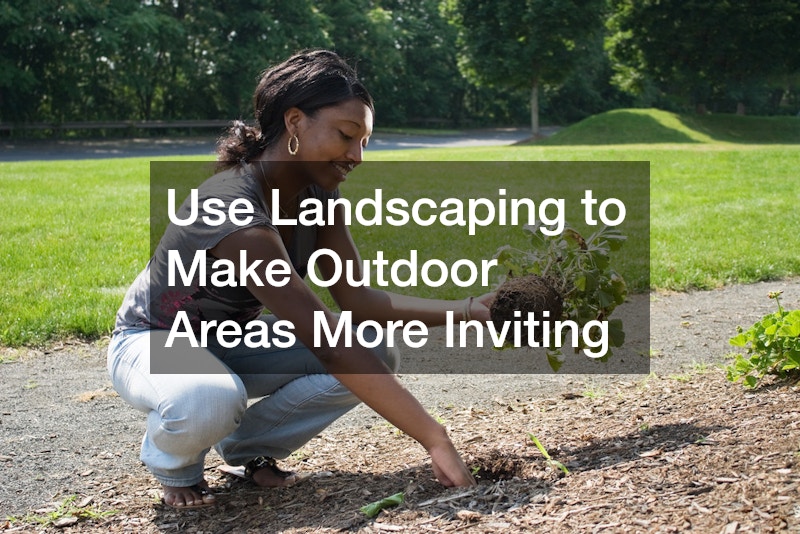
Landscaping influences shade, privacy, temperature, drainage, and visual appeal. A yard does not need an elaborate design to feel comfortable, but it should have a balance of open areas, planted spaces, and defined edges. Mulch is one simple material that can help unify planting beds while reducing weeds and helping the soil retain moisture. A local mulch supplier can provide options suited to the size and style of the property.
Plant placement can make a major difference in how the yard feels throughout the day. Trees and taller shrubs can provide shade near seating areas, while lower plants can soften the edges of walkways and patios without blocking views. Native or climate-appropriate plants may also reduce maintenance because they are better suited to local rainfall, temperatures, and soil conditions.
Landscaping can also help direct movement. Planting beds placed along a walkway can guide visitors toward an entrance, while shrubs can subtly separate a private sitting area from the rest of the yard. Thoughtful planting can make outdoor spaces feel more intentional without requiring permanent walls or structures. The goal is to create a setting that looks attractive but also supports the way people naturally move, relax, and gather outside.
Add Practical Features for Everyday Outdoor Living
Comfort improves when outdoor spaces include features that make them easier to use. Shade structures, benches, raised garden beds, storage areas, and simple built-in features can make the yard feel more like an extension of the home. Many of these projects begin with basic building materials, and a nearby lumberyard can be a useful source for dimensional lumber, decking boards, posts, fasteners, and other supplies.
For homeowners who enjoy do-it-yourself projects, smaller additions can provide a noticeable improvement without requiring a complete renovation. A simple bench near a garden, a platform for trash bins, a small privacy screen, or a storage rack for outdoor tools can solve everyday annoyances. More ambitious projects, such as pergolas or raised decks, may require professional design and construction, but the same principle applies: build around how the space will actually be used.
Storage is particularly important because clutter can quickly make a patio or yard feel less relaxing. Weather-resistant storage for cushions, gardening tools, toys, and grilling equipment keeps frequently used items close without leaving them scattered. Practical improvements may not be the most dramatic changes, but they often have the greatest effect on how comfortable the exterior feels on a daily basis.

Plan Improvements as One Connected Project
Exterior projects are easier to manage when they are planned together instead of treated as unrelated tasks. Tree work may need to happen before a new fence is installed. A patio may need to be poured before landscaping is finished. Siding repairs may affect where outdoor lighting, hose reels, or other fixtures can be mounted. Thinking through the order of work can reduce rework and help each improvement support the next.
It is also helpful to decide which problems affect comfort most. A homeowner dealing with excessive afternoon sun may prioritize tree care or shade. Someone with a muddy path to the backyard may benefit more from a new walkway. A family that rarely uses its patio may discover that privacy, lighting, or better access from the house is the missing element.
Budgeting works better when projects are grouped by priority. Safety and structural concerns should generally come first, followed by improvements that increase everyday usability. Decorative upgrades can then build on that foundation. Over time, these coordinated choices can create an exterior that looks attractive, functions well, and feels comfortable during ordinary routines as well as larger gatherings.
A more enjoyable home exterior is often the result of many practical decisions working together. Strong entry points, well-maintained siding, healthy trees, defined boundaries, durable surfaces, thoughtful landscaping, and useful outdoor features can all improve how the property feels and functions. Instead of focusing only on appearance, homeowners can get more value from exterior improvements by asking how each change will make daily life easier, safer, or more comfortable.
Before starting, it can help to walk the property at different times of day and note where discomfort occurs. Areas that feel too hot, exposed, dark, uneven, or difficult to access often reveal the most useful priorities. Homeowners can also consider seasonal concerns such as winter wind, heavy rain, falling leaves, or summer sun. Taking photographs and writing down recurring issues makes it easier to compare possible projects and decide which upgrades should happen first. This simple assessment can prevent spending money on cosmetic changes while more important comfort or maintenance concerns remain unresolved, and it can lead to a more practical long-term plan.
Even small improvements can make outdoor spaces feel more welcoming, organized, practical, and enjoyable year-round.
The most successful upgrades reflect the property, the climate, and the people who use the space. Some homes may benefit most from better shade and tree care, while others need new hardscaping, fencing, or improved access. By planning improvements around real needs and completing them in a logical order, homeowners can create an exterior that supports relaxation, entertaining, maintenance, and everyday routines for years to come.